Exploring how culture shapes attitudes toward gambling
Exploring how culture shapes attitudes toward gambling
Cultural Perspectives on Gambling
Culture profoundly influences individuals’ perspectives and attitudes toward gambling. In some societies, gambling is seen as a form of entertainment and a social activity, while in others, it may be viewed as morally questionable or even taboo. For example, in parts of Asia, traditional games like mahjong are not just games of chance but also social rituals that foster community bonds. This cultural backdrop shapes how individuals engage with gambling, affecting their willingness to participate. Additionally, many enjoy the thrill of the aviator game as part of their experience.
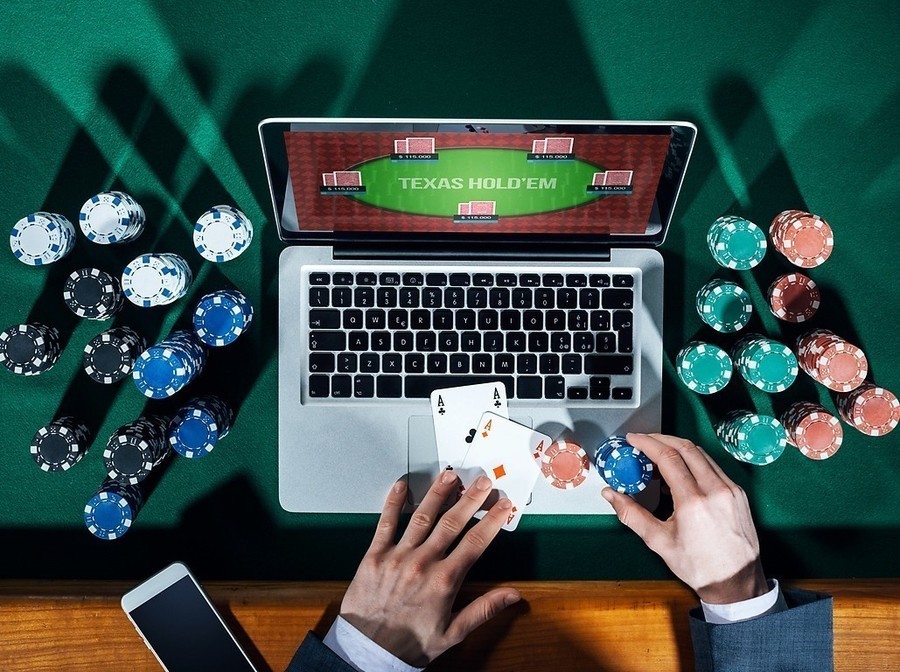
Moreover, religious beliefs play a pivotal role in shaping cultural attitudes towards gambling. Many religions discourage or prohibit gambling altogether due to its association with vice and addiction. For instance, in Islamic cultures, gambling is forbidden, as it is believed to lead to social discord and financial ruin. Conversely, in cultures where gambling is an integral part of celebrations, such as during New Year’s festivities in some regions, it becomes a means of communal joy rather than a sinful act, illustrating the diverse cultural attitudes that exist.
The generational perspective on gambling also varies across cultures. In cultures that emphasize risk-taking and entrepreneurship, like those often seen in Western societies, gambling may be embraced as a daring venture. Younger generations in these cultures might view gambling as an extension of personal freedom and expression. In contrast, cultures with a focus on tradition and caution may instill a more conservative view of gambling, emphasizing savings and long-term financial planning over risk-taking behaviors.
The Economic Impact of Cultural Attitudes
The economic implications of cultural attitudes toward gambling are significant. In regions where gambling is culturally accepted, such as Las Vegas or Monte Carlo, it serves as a major economic driver, attracting tourism and creating jobs. These areas thrive on the vibrancy of their gambling culture, reflecting an economic ecosystem that is heavily dependent on the acceptance and celebration of gambling activities. The cultural normalization of gambling allows for significant investments in infrastructure and entertainment that benefit the local economy.
Conversely, in cultures where gambling is stigmatized, there can be economic repercussions. Countries that outlaw gambling often miss out on potential tax revenues that could have supported public services. Additionally, the underground gambling scene might flourish in these cultures, leading to unregulated activities that could pose risks to financial stability and public safety. For instance, countries that impose strict restrictions on gambling may still witness a thriving black market, illustrating a disconnect between cultural attitudes and economic realities.
The differences in economic impact based on cultural attitudes can also be seen in the rise of online gambling platforms. In cultures where traditional gambling is frowned upon, individuals may turn to online casinos as a private alternative, which could perpetuate gambling behaviors without the same social scrutiny. This transition to digital platforms highlights how cultural perceptions of gambling can influence where and how individuals choose to engage with gambling activities, reshaping economic landscapes in the process.
Psychological Factors Influenced by Culture
Cultural context significantly shapes the psychological factors related to gambling. For instance, in cultures that celebrate winning, the thrill of gambling may be enhanced, leading individuals to participate more enthusiastically. Conversely, cultures that emphasize caution and prudence may engender a sense of guilt or anxiety around gambling, which can deter individuals from participating. Psychological factors like social approval, identity, and personal beliefs about luck and chance often intertwine with cultural influences, shaping individual behaviors.
Additionally, the cultural narrative surrounding luck and fortune can influence gambling attitudes. In cultures where luck is viewed as a spiritual or mystical force, such as in many Indigenous communities, gambling may be perceived differently than in more secular societies. This belief in luck can lead to increased participation, as individuals may feel a stronger connection to the outcomes of their gambling endeavors. The integration of cultural symbols and narratives into gambling practices adds layers of meaning and significance that go beyond mere chance.
The normalization of gambling behaviors is also reinforced by cultural messaging. In societies where gambling is portrayed positively in media, individuals may internalize these messages, viewing gambling as a socially acceptable pastime. Marketing strategies that resonate with cultural values can further entrench these perceptions, influencing attitudes and behaviors toward gambling. The psychological interplay between culture and gambling illustrates how deeply ingrained social norms can shape individual decisions.
Globalization and Its Effects on Gambling Culture
The process of globalization has profound effects on gambling culture worldwide. As cultures intermingle, attitudes toward gambling can shift, leading to a blending of practices and perceptions. For example, in countries experiencing an influx of Western influence, traditional views on gambling may evolve, leading to a greater acceptance of casino culture and sports betting. This shift can create tension as different generations grapple with changing attitudes, prompting discussions on what gambling means within the context of their cultural identities.
Additionally, globalization facilitates the spread of gambling-related technologies and platforms, reshaping local customs and habits. Online gambling, for instance, has become increasingly accessible across various cultures, often leading to conflicts with traditional views. As individuals encounter diverse perspectives on gambling, their attitudes may shift, leading to a more complex relationship with gambling that incorporates both local and global influences. This intersection often raises questions about identity and cultural heritage.
Furthermore, regulatory changes driven by globalization can alter how cultures engage with gambling. For example, countries may soften their stances on gambling to attract foreign investment and tourism, reflecting an adaptive response to global economic trends. This evolution can lead to a re-evaluation of cultural norms surrounding gambling, creating new dialogues and discussions about its role in society. The blending of local and global perspectives will continue to shape future attitudes toward gambling.

Website Functionality and Cultural Attitudes
While exploring how culture shapes attitudes toward gambling, it is essential to consider the role of technology and accessibility in this dynamic. Currently, the website provides invaluable resources that delve into cultural attitudes toward gambling; however, users may face challenges due to technical issues. The ongoing commitment to restore functionality reflects the importance of keeping discussions accessible, particularly as cultural perceptions evolve.
Understanding how culture influences gambling necessitates open dialogue and accessible information. Users are encouraged to return to the website for updates, as the content will provide insights into how financial management tips can be intertwined with cultural perspectives on gambling. This ongoing conversation is vital, particularly in a rapidly changing landscape where cultural attitudes continue to shift and adapt.
As the website works to overcome its technical difficulties, it emphasizes the importance of maintaining a platform for diverse perspectives. By fostering discussions on how culture shapes attitudes toward gambling, the website aims to equip users with the knowledge to navigate their gambling experiences more thoughtfully. The interplay of culture, psychology, and economics regarding gambling deserves attention, and the website will provide a space for these critical conversations to flourish.